
The B2B SaaS Guide to Measuring GEO Success and ROI
Generative Engine Optimization (GEO) requires marketing teams to shift their measurement models from traditional clicks to AI citations. Learn how to track AI search referrals, measure B2B SaaS ROI, and build entity authority.
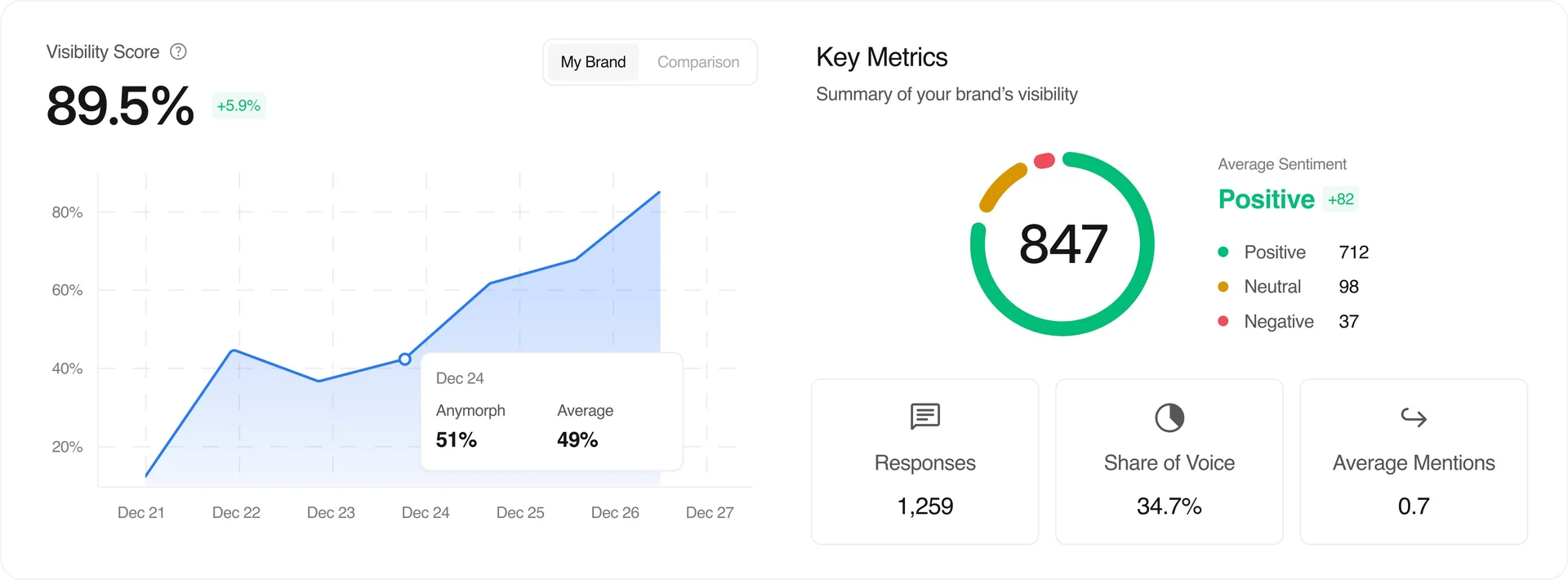
Conversion Rate
AI-referred visitors can have conversion rates up to 4.4 times higher than traditional traffic (average 2.9%).
What is the difference between GEO and traditional SEO?
Traditional SEO relies on building domain authority to rank web pages, while generative engine optimization builds entity authority to secure direct answers inside AI outputs.
Traditional search marketing has trained professionals to focus on backlinks and keyword density. However, generative engines rely on semantic relationships and established expertise.
| Metric | GEO | Traditional SEO |
|---|---|---|
| Conversion Rate | Up to 4.4x higher | 2.9% |
| Primary Driver | Entity Authority | Domain Authority |
Key Performance Indicators for GEO
Because generative engines do not provide traditional search volume or impression data via a centralized console, marketing teams must adopt new frameworks for evaluating performance.
AI-Citation Rate
Measures the proportion of AI outputs that specifically cite a target URL in their footnotes or inline links. A healthy baseline is 10%.
Visibility Lift
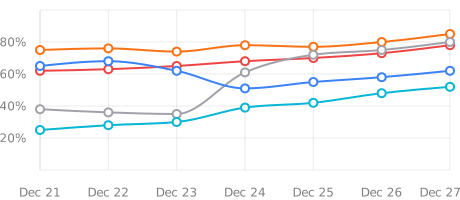
The percentage increase in brand appearances over time. Highly effective campaigns can boost visibility by 30% to 40%.
How to track leads from AI search referrals
Attributing revenue to AI search requires isolating generative engine traffic from generic direct or organic traffic. Since GA4 often groups AI traffic under general 'Referral', tracking distinct sources requires custom filters.
GA4 Regex Pattern for AI Traffic
.*chatgpt.*|.*perplexity.*|.*gemini.*|.*claude.*
Applying this filter allows revenue operations teams to build dedicated audience segments for AI-referred visitors and map these sessions to CRM conversions. Teams looking to automate this complex tracking process can explore the best AI search visibility tracking tools.
The GEO Maturity Curve
Unlike traditional marketing timelines, Generative Engine Optimization requires patience while large language models crawl, process, and update their vector databases.
Foundation Phase
Resources are deployed to establish entities and index content.
Citation Dominance
Entity authority is fully established across major platforms. Mature search optimization programs can deliver returns of up to 800% after seven months of campaign activity.
Frequently Asked Questions
What is GEO in SEO or digital marketing?
Generative Engine Optimization (GEO) is the evolution of SEO. While SEO focuses on ranking web pages using domain authority and keywords, GEO focuses on optimizing content for large language models to secure direct mentions and citations inside AI-generated text responses.
How does cost per AI citation compare to cost per Google click?
While traditional paid search charges for every individual click, GEO focuses on earning organic citations.
Which AI search engines should B2B SaaS companies track?
B2B SaaS organizations should prioritize tracking their visibility and citation rates across the four primary generative engines dominating commercial research: ChatGPT (OpenAI), Perplexity AI, Gemini (Google AI Overviews), and Claude (Anthropic).