
How AI Search Engines Recommend Brands: The Ultimate GEO Guide
AI search engines utilize vastly different source selection strategies. Learn how to navigate this new ecosystem and capture high-intent buyers.

What is AI brand citation tracking and how does it work?
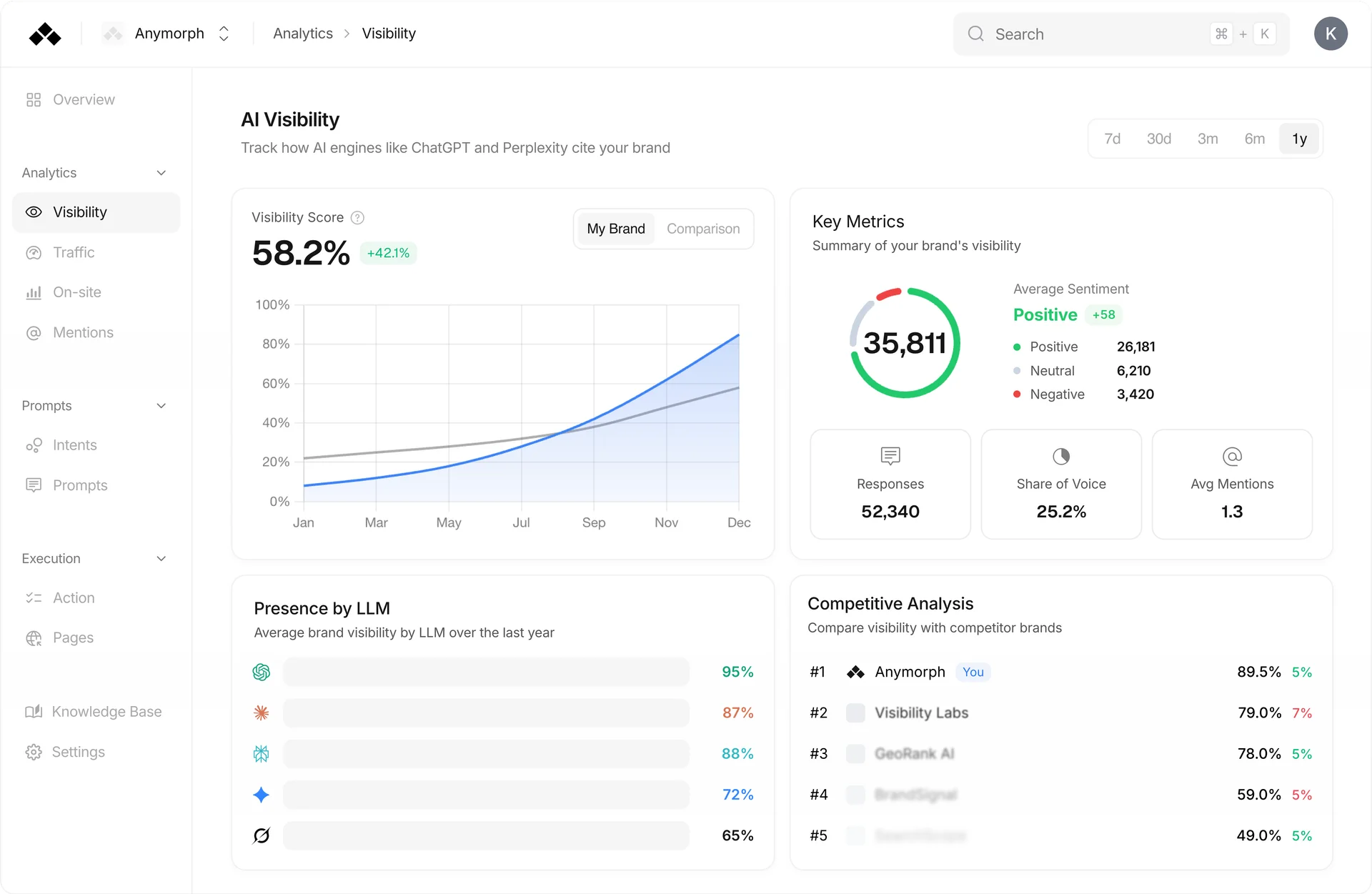
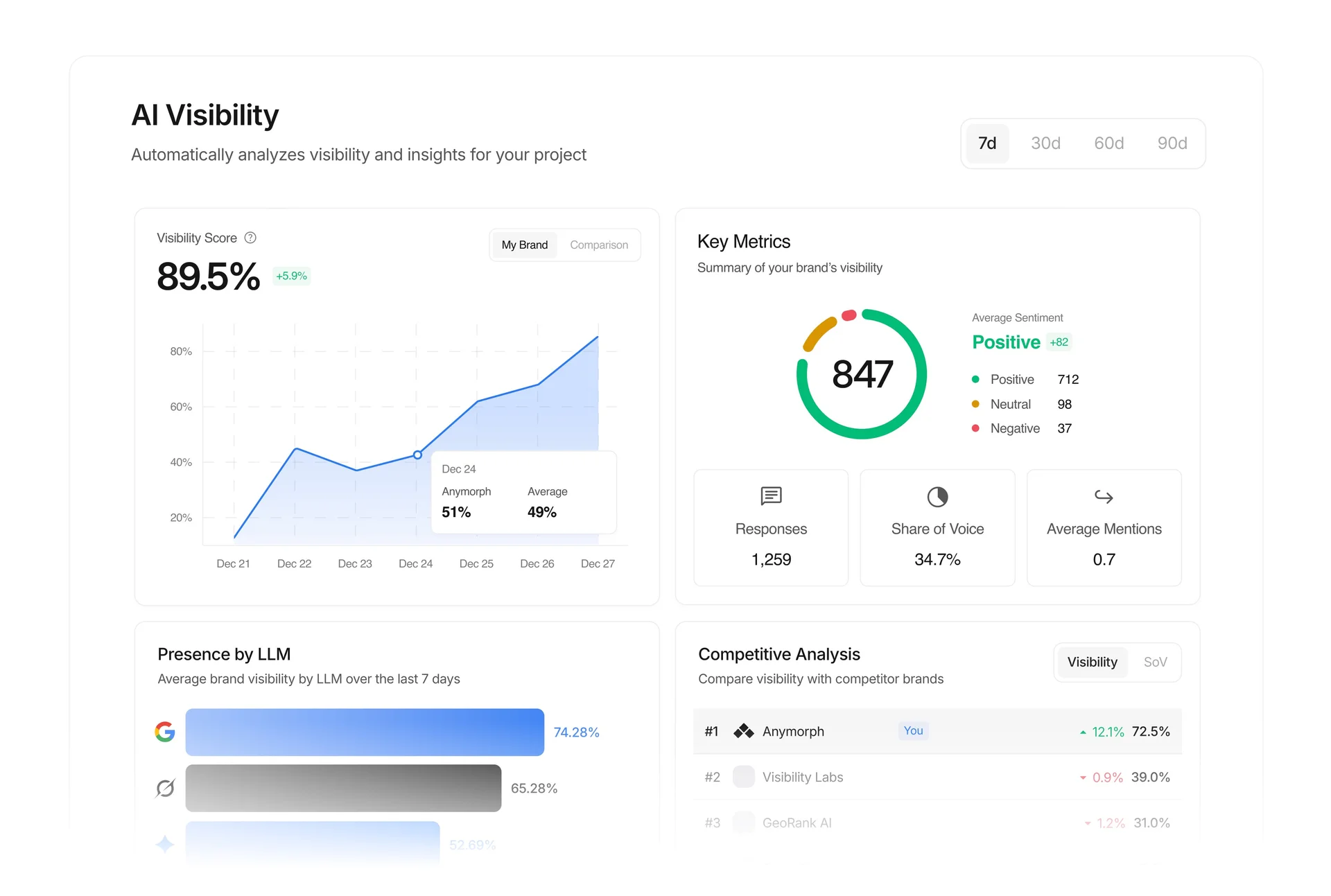
AI brand citation tracking is the continuous monitoring of how large language models mention, recommend, and evaluate your company in search responses. Understanding how generative engines recommend brands requires a shift from traditional SEO to Generative Engine Optimization (GEO).
The mechanics of AI recommendations rely heavily on off-page consensus rather than just on-page keyword density. AI systems construct their answers by parsing thousands of references to determine which entity best answers a user's prompt.
Brand discovery in this new ecosystem is overwhelmingly driven by third-party validation.
Because each Large Language Model (LLM) draws from entirely different data clusters and weighting mechanisms, brand perception varies wildly depending on where consumers search. This volatility makes continuous AI brand citation tracking critical for marketing teams trying to maintain a cohesive narrative.
ChatGPT vs. Claude vs. Perplexity
Because different engines are trained on different primary datasets and utilize unique retrieval-augmented generation (RAG) models, they cite sources using completely different patterns. Business profile accuracy for brands on AI platforms like ChatGPT and Perplexity is 68%.
| Feature | ChatGPT | Perplexity | Claude | Google AI Overviews |
|---|---|---|---|---|
| Primary Source Bias | Product Pages & Authority Sites | Product Pages (54.3%) | Blogs (43.8%) | Unstructured (Reddit/Quora) |
| Wikipedia Usage | High (12.1%) | Utilizes Wikipedia | Very Low (0.1%) | Moderate |
| Top Content Type | Product Pages (60.1%) | Product Pages (54.3%) | Informational Blogs | Diversified Lists |
| Recommendation Trigger | Established Authority | Direct Product Relevance | Contextual Depth | Entity Mentions & Local Data |
| Small Brand Visibility | Low (Historical Bias) | Higher (Product Focus) | Moderate (Blog Focus) | High (Local AI Overviews) |
Do AI search engines bias toward big brands?
AI search engines exhibit hidden bias toward large brands because generative models inherently trust historical authority and mass media mentions.
This creates a "winner-take-all" dynamic. Startups and small businesses often lack visibility because AI models rely heavily on established authority signals—such as massive backlink profiles and decades of continuous media presence.
However, small companies can bypass historical bias by dominating highly specific, niche product-info queries. While large brands dominate broad, encyclopedic queries, emerging brands can capture high-intent buyers by providing ultra-specific technical solutions. Tracking competitor mentions is essential to finding these informational gaps.
The Power of Unstructured Sources
Google AI Overviews dynamically pull brand recommendations from unstructured platforms like Reddit and Quora to answer complex informational search queries. The engine looks for real-world consensus and experiential data to construct its summaries.
If small companies can generate consistent, positive mentions within these unstructured environments, they bypass the traditional "Authority Gap." For example, Perplexity prioritizes direct product information over encyclopedic content, meaning a small company with highly detailed product specifications can outrank a Fortune 500 competitor.
Building a presence requires ensuring your Share of Voice is clearly defined wherever it is discussed. Every mention should connect your brand name to your core product category.
Frequently Asked Questions
How do AI recommendation systems weigh popularity vs content quality?
Popularity acts as a baseline trust signal. However, for complex or niche queries, content quality and relevance override mere popularity. Engines like Perplexity prioritize direct product relevance (54.3% of citations from product pages) over encyclopedic popularity, allowing highly relevant small businesses to outrank popular legacy brands on specific queries.
What are the technical mechanics of ChatGPT brand recommendations?
ChatGPT draws 60.1% of its citations from direct product pages, indicating a need for clear technical specifications. Uniquely among LLMs, ChatGPT also utilizes Wikipedia for 12.1% of its references, meaning encyclopedic historical data directly impacts its brand outputs.
Does Perplexity AI show brand bias against small businesses?
Perplexity exhibits less historical brand bias compared to ChatGPT. Because Perplexity utilizes Wikipedia content as a source while prioritizing direct answers and intent-driven results, it presents a unique opportunity. If a small company provides highly structured, accurate product information, Perplexity is mathematically more likely to recommend it for technical queries.
How can a brand improve its "Entity Clarity" for AI Overviews?
Ensure your name, product categories, and core value propositions are consistently described across all digital touchpoints. Publish clear, spec-heavy product pages on your owned website, while actively generating consistent unstructured citations on platforms like Reddit, Quora, and niche industry blogs.
Automate your brand presence for AI search engines
Trying to manually optimize for ChatGPT's reliance on authority sites, Claude's preference for long-form blogs, and Perplexity's demand for technical product pages is impossible for lean marketing teams. Implement a 90-Day GEO Strategy and let Anymorph structurally optimize your on-brand content.
Book a demo