
Guide
How to Choose an AI Visibility Platform
A buyer's guide for B2B SaaS teams evaluating monitoring and content deployment across ChatGPT, Perplexity, Gemini, and Google AI Overviews.

What is an AI visibility platform?
An AI visibility platform is a specialized analytics system that tracks how frequently generative AI engines recommend a brand and measures content citation rates across various language models.
For over two decades, B2B marketing teams relied on keyword rank trackers to gauge their search presence. However, generative engine optimization (GEO) requires an entirely different technical architecture. AI visibility platforms do not look for links on a static page; instead, they deploy systematic prompts to large language models (LLMs) to determine how an engine "thinks" about a specific entity or category.
If you are currently evaluating Brand Monitoring Tools for AI Search Engines, the primary distinction to look for is whether the tool measures true conversational recall or merely scrapes traditional search components. Advanced platforms go beyond passive monitoring by directly facilitating the publishing and maintenance of the content required to win those citations.
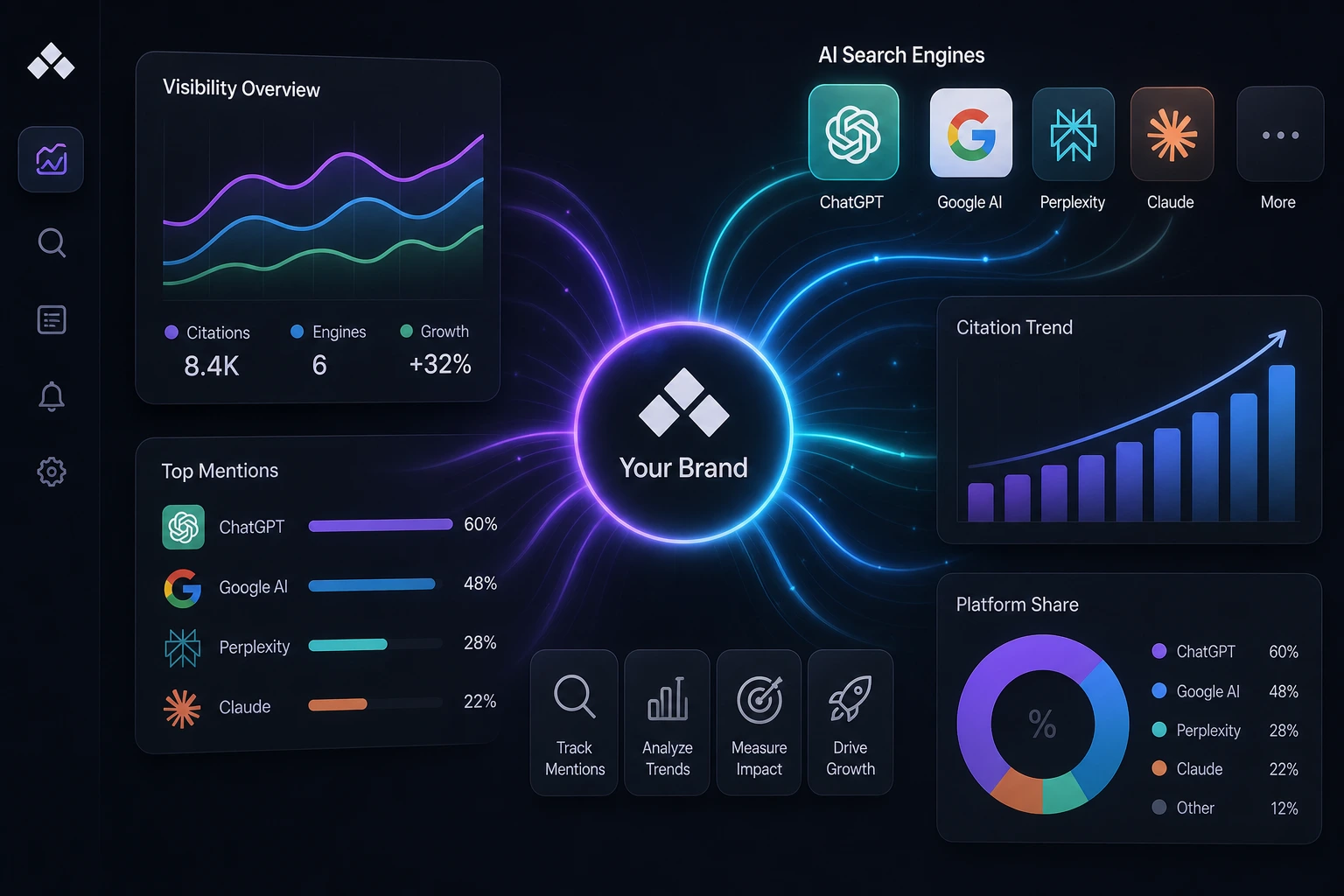
The AI Search Ecosystem in 2026
The AI search ecosystem is heavily fragmented but currently dominated by ChatGPT, followed by Google Gemini, Microsoft Copilot, Perplexity, and Claude. To adapt to this reality, B2B marketing leaders must Track Competitor Mentions in AI Search directly within the language models themselves, bypassing the traditional search engine results page (SERP) entirely.
ChatGPT Market Share
Dominates direct conversational queries, drawing heavily from established encyclopedic data (Nobori.ai).
Google AI Overviews
AIOs appear in nearly half of all searches, prioritizing community-led and dynamic content.
B2B Buyer Usage
The vast majority of B2B buyers now use generative AI tools during their purchase process (Omnibound).
Core Capabilities to Evaluate
When selecting a platform for monitoring and deployment, B2B SaaS teams should prioritize these critical capabilities to ensure accurate measurement and actionable outcomes.
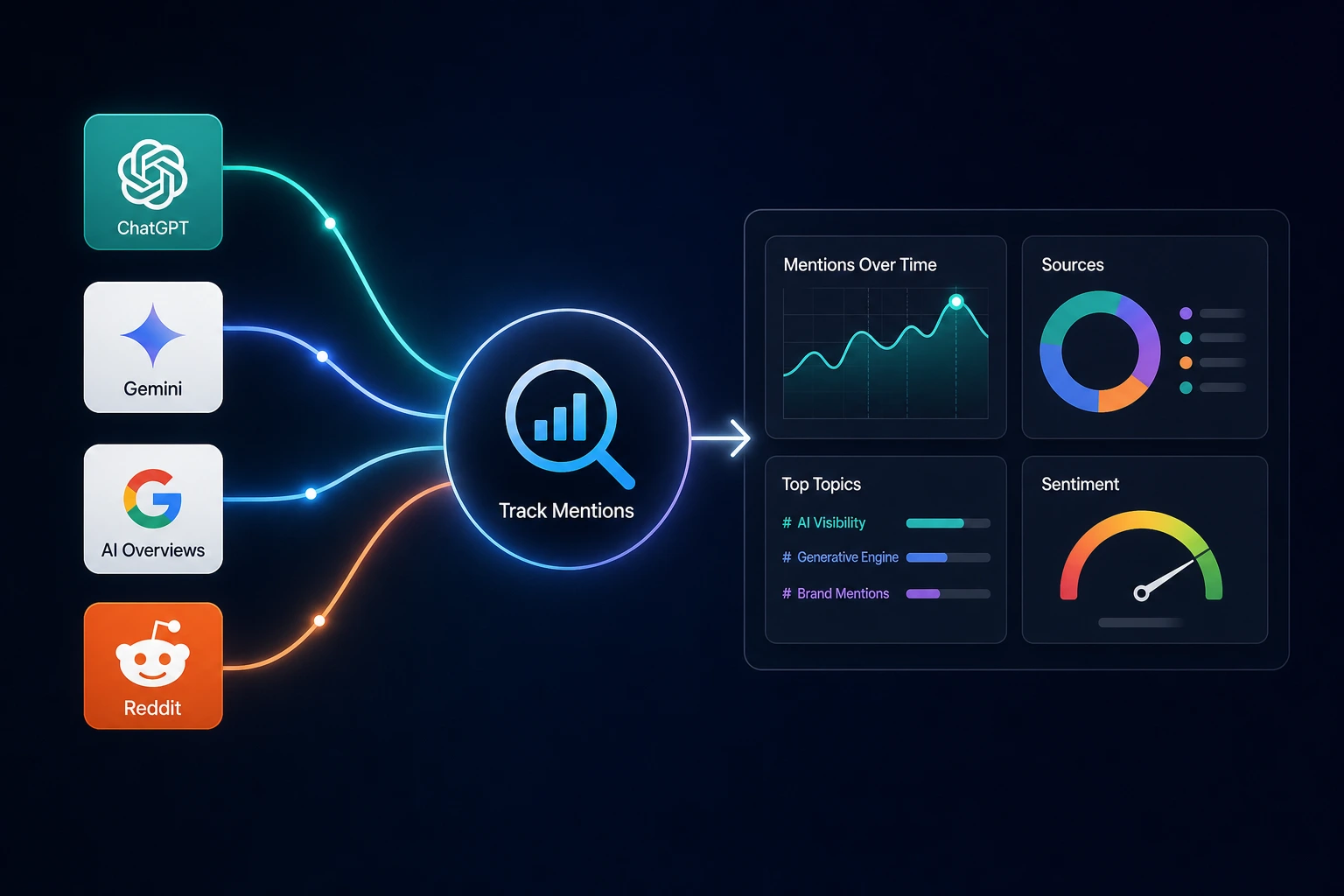
Multi-Engine Citation Tracking
Effective tracking requires extracting brand mentions across diverse language models. ChatGPT leans heavily on established data (47.9% from Wikipedia), while Google AI Overviews prioritize community content (21% from Reddit) (Nick Lafferty). A reliable platform must segment citation sources by engine.
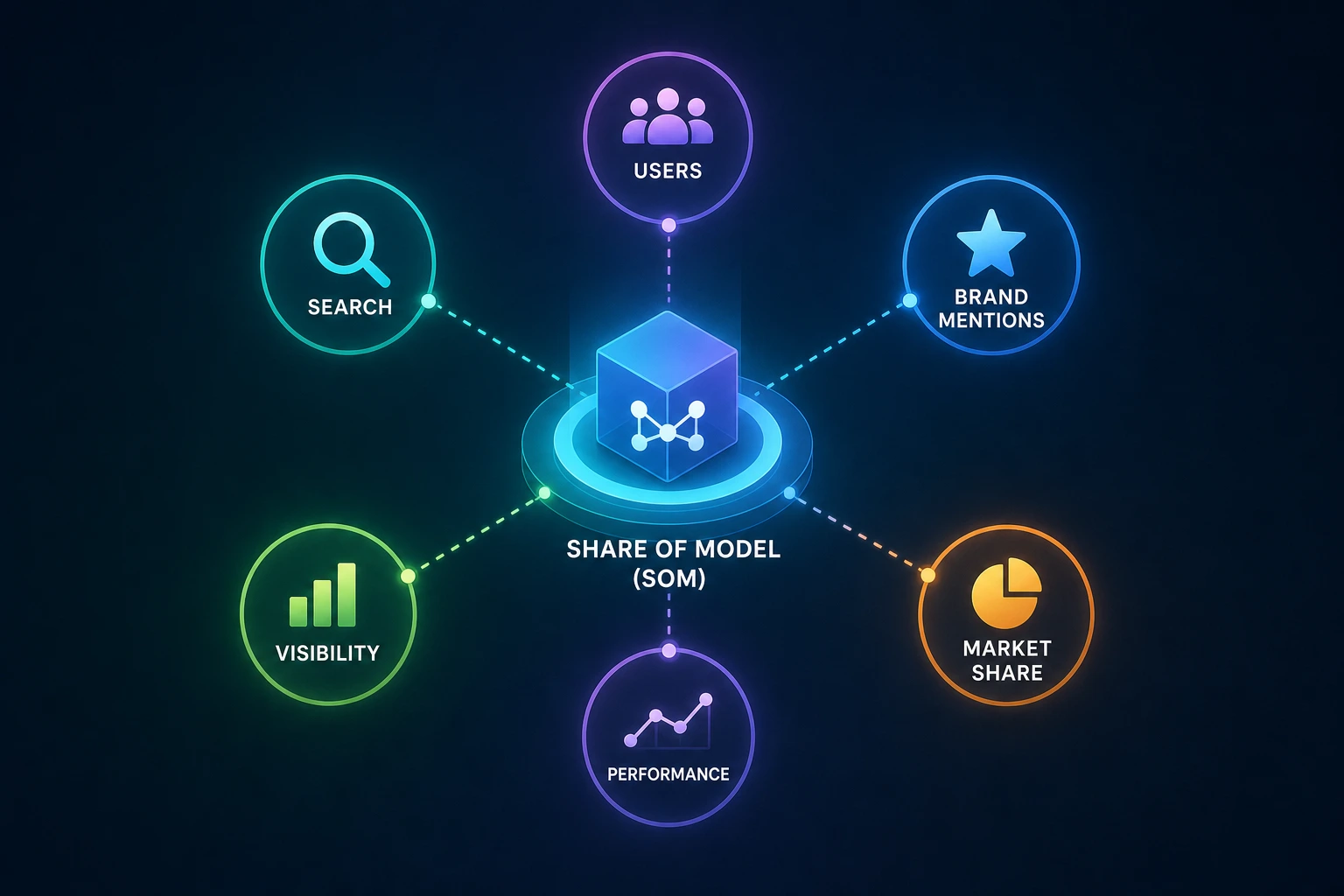
Share of Model (SoM)
Understanding How to Measure Share of Voice in AI Search is critical for revenue forecasting. This metric directly impacts revenue, as AI-referred visitors are 31% more likely to convert and spend 68% more time on-site than traditional organic visitors (Omnibound).
Continuous Deployment
Generative engines heavily penalize stale information. Pages not updated in over three months are three times more likely to lose their existing AI citations (Omnibound). Your platform must provide actionable guidance or direct capabilities to redeploy content immediately.
Leading AI Visibility Tools in 2026
The market has segmented rapidly between traditional SEO tools adding AI add-ons and native AI visibility platforms built from the ground up for LLM tracking. When reading Profound AI Visibility Research, note that many tools excel at the reporting phase. The differentiator in a mature evaluation is solving the execution bottleneck that occurs after the report is generated.
| Platform | Core Strength | Best Use Case |
|---|---|---|
| Semrush One | Expanded suite for AI-era monitoring | Teams already heavily invested in the Semrush ecosystem needing basic AIO overlap tracking. |
| Profound | Brand presence across generative engines | Enterprise teams focusing strictly on deep analytics and Share of Model reporting. |
| ZipTie.dev | Google AI Overviews and CTR impact | Organic search teams specifically trying to measure traffic loss and CTR drops from Google AIO. |
| Nobori | LLM market share and brand sentiment | PR and communications teams monitoring brand sentiment across minor and major LLMs. |
| Anymorph | Autonomous content deployment + monitoring | Teams needing an end-to-end OS that identifies citation gaps and autonomously publishes the exact pages needed to capture them. |
Connect Analytics to Autonomous Deployment
Knowing that your software isn't being recommended by Perplexity does not solve the problem. Anymorph bridges the gap between passive visibility monitoring and active content deployment by operating as an autonomous website OS that creates and maintains AI-optimized pages.