
Profound AI Visibility Research: What B2B Buyers Should Evaluate
Winning in AI search requires shifting from traditional SEO rankings to tracking AI visibility scores and citation share. As 73% of B2B buyers use generative AI tools in their purchase research according to Exposure Ninja (2026), teams evaluating Profound and adjacent Generative Engine Optimization (GEO) vendors must prioritize platforms that turn raw research into measurable visibility outcomes.
Why is traditional AI visibility research failing B2B brands?
Traditional AI visibility tools fail B2B brands by providing only diagnostics without an automated execution workflow, leaving marketing teams to manually create content to capture citations. While platforms like Profound offer multi-engine tracking for profound generative engine optimization, user reviews consistently highlight a major execution gap.
These platforms supply reports on how AI engines perceive your brand, but they offer no built-in publishing mechanism. Consequently, companies spend an average of $499 per month on Profound's Lite plan. This is roughly 48% higher than the market average of $337 per month for similar AI visibility tools (Rankability, 2026).
"Teams pay this premium just to identify visibility issues while still bearing the costly operational burden of fixing them manually."
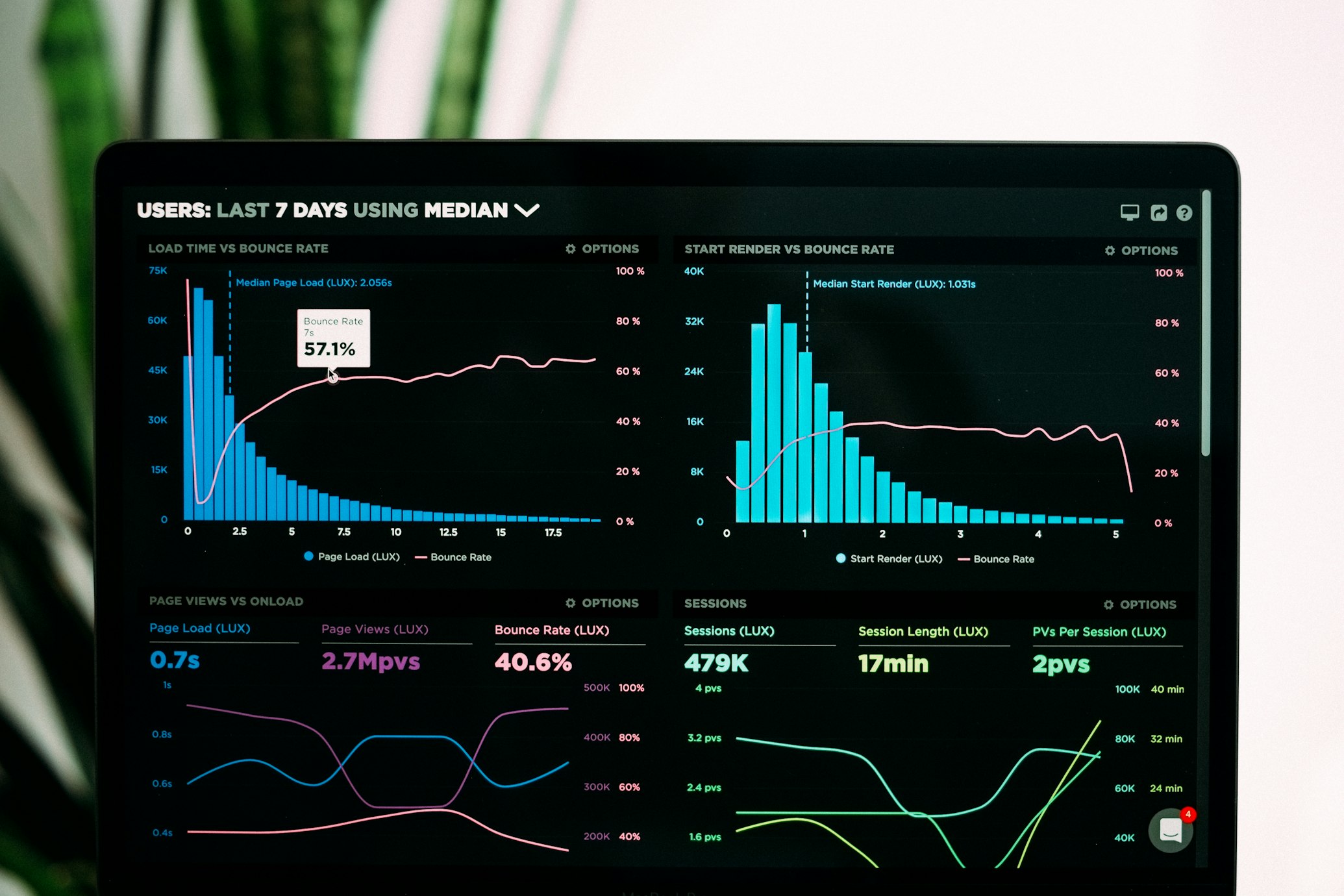
Core AI search optimization tool evaluation criteria
The best platform for tracking brand citations across Perplexity, Claude, and ChatGPT must deliver measurable visibility outcomes, deep competitor benchmarking, and an automated research-to-coverage workflow.
Measurable Outcomes
Distinguish between generic brand mentions and direct, linkable citations. AI-referred traffic converts at a rate of 14.2%, five times higher than traditional organic search traffic's 2.8% according to Exposure Ninja (2026).
Competitor Benchmarking
With only an 11% domain citation overlap between ChatGPT and Perplexity, the best ways to benchmark AI search visibility competitors involve tracking Share of Voice (SOV) at the niche topic level across multiple models.
Automated Workflow
When evaluating top GEO and AI-driven search ranking solutions, prioritize platforms that automatically turn research into published coverage pages to capture missing citations.
How does Anymorph compare to Profound AI visibility?
Anymorph distinguishes itself from Profound AI by acting as an Autonomous OS for GEO that automatically publishes coverage pages, whereas Profound functions strictly as a manual diagnostic and reporting tool.
While Profound provides high-fidelity, enterprise-grade conversation exploration starting at $499 per month, it requires your team to manually execute the content strategy. In contrast, Anymorph's Athena GEO Platform bridges this critical execution gap. Starting at just $95 per month, Anymorph tracks brand visibility across ChatGPT, Perplexity, and Google AI.
Book a demoHow does Anymorph turn AI research into published coverage?
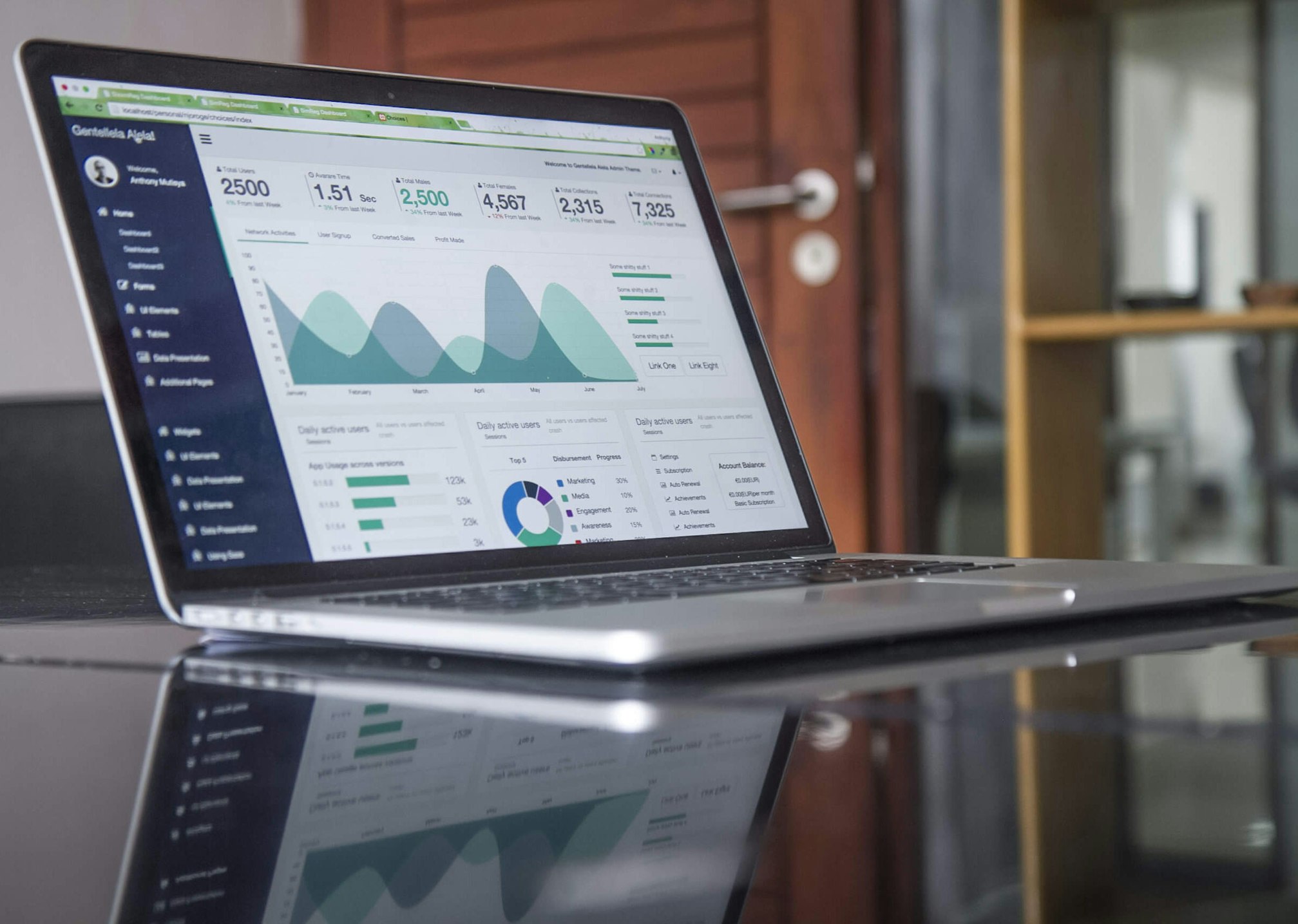
Identify Gaps
Once the Athena GEO Platform identifies a citation gap or a competitor's Share of Voice advantage, it rapidly processes entity definitions and citation authority mapping to understand what the AI models prefer.
Generate Content
Boost Visibility
Adding statistics to content increases visibility in LLM responses by up to 40% compared to traditional SEO content according to the Princeton University GEO Visibility Study.
Real results from brands shifting to Autonomous GEO
Companies transitioning from diagnostic-only reporting tools to Anymorph's autonomous GEO execution experience massive leaps in both their Share of Voice and their ultimate conversion metrics.
Popl
Achieved a 38.85% month-over-month increase in AI-driven leads and secured the #1 AI-Search SOV in their niche within just 3 months.
Frequently Asked Questions
What is the difference between an AI mention and an AI citation?
An AI citation includes a direct hyperlink to your website within the AI model's response, which drives highly convertible referral traffic. An AI mention only references your brand name without providing a source link, offering brand awareness but zero direct traffic. Learn more about AI visibility analytics features to look for.
Why is multi-engine tracking critical for AI visibility?
Multi-engine tracking is critical because different AI models rely on entirely different data sources and ranking algorithms. Anymorph Research found there is only an 11% domain citation overlap between ChatGPT and Perplexity. This means a brand could dominate one engine while being invisible on another.
How do I benchmark AI search visibility against competitors?
You benchmark AI search visibility by tracking your Share of Voice (SOV) at the specific topic level rather than just brand names. You should evaluate citation authority mapping to see which third-party platforms the AI cites for competitors, and measure the sentiment attached to your brand versus theirs. Discover how to track competitor mentions in AI search.
Stop losing high-intent buyers to AI Overviews
The window to secure your baseline AI citation share is closing quickly as generative engines redefine discovery. Do not settle for expensive tools that only diagnose why you are losing visibility to competitors. Move to an autonomous platform that actually fixes the gaps by publishing optimized content directly to your site.
Book a demo