
Anymorph vs. Writesonic: Choosing the Right GEO Platform
The shift toward AI search is forcing brands to choose between scaling content drafts or automating page infrastructure.

TL;DR: Which Should You Choose?
Choose Anymorph if:
You are a B2B SaaS or ecommerce brand that needs a "hands-off" managed solution to generate, deploy, and continuously optimize branded landing pages. It is ideal for teams prioritizing programmatic page creation and intent-cluster modeling to secure citations in LLM search results.
Choose Writesonic if:
You need an all-in-one AI writing assistant to support your existing editorial team. It is ideal for high-volume content production (up to 5,000 words per article) and monitoring brand sentiment across AI engines using their Brand Presence Explorer.
Feature Comparison
| Feature | Anymorph | Writesonic (as of 2026) |
|---|---|---|
| Primary Use Case | Managed GEO Infrastructure | AI Content Velocity & SEO Monitoring |
| Core Workflow | Autonomous generation & deployment | AI-assisted drafting & manual publishing |
| Output Format | Live, deployed pages on your domain | Content drafts / WordPress posts |
| GEO Focus | Intent-cluster modeling for AI citation | Brand sentiment & citation gap analysis |
| Keyword Research | Integrated GSC + DataForSEO clusters | Traditional SEO + AI Prompt tracking |
| Measurement | Continuous AI-search visibility tracking | AI Traffic Analytics & Share of Voice |
| Ecommerce Capability | Integrated catalog & product awareness | ChatGPT Shopping result optimization |
| Target Audience | B2B SaaS & Ecommerce Growth Leads | Content Marketing & SEO Teams |
AI-Search Visibility & GEO Capabilities
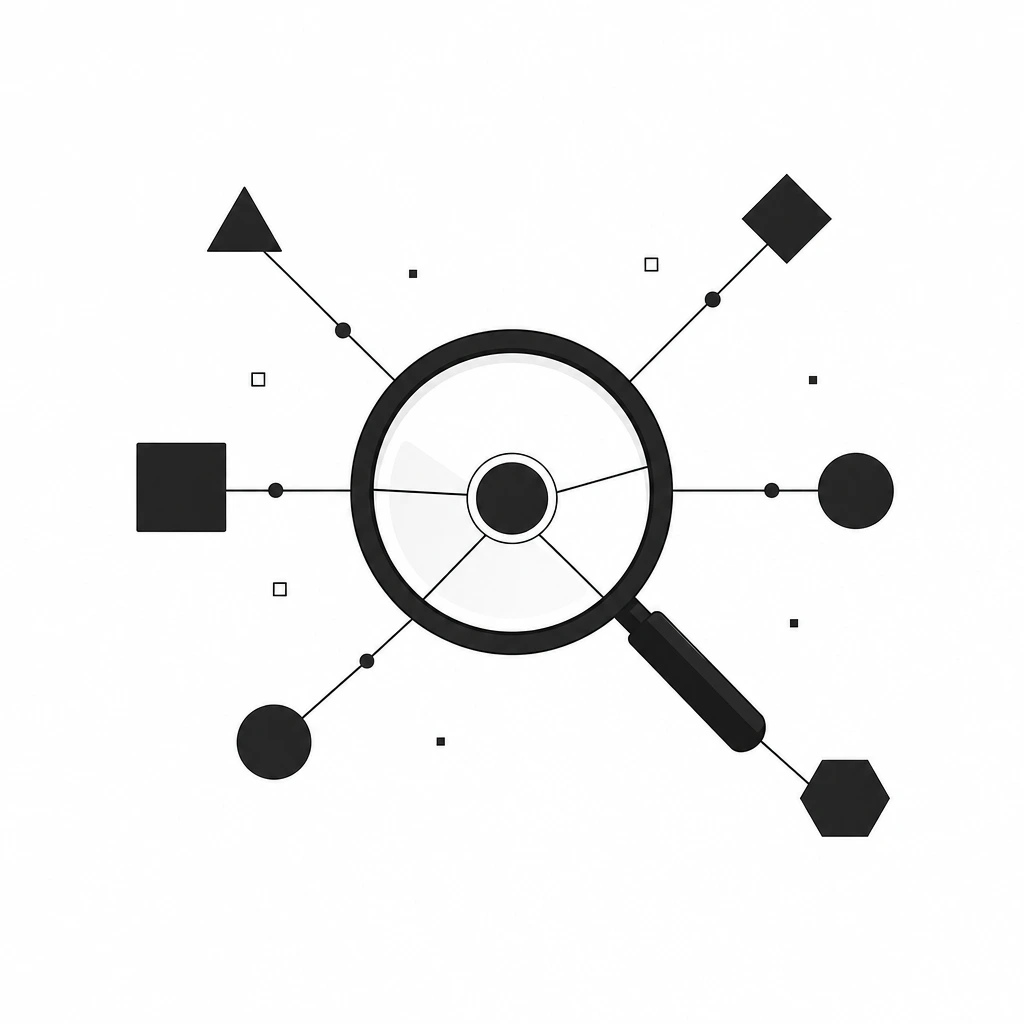
Writesonic focuses on monitoring brand sentiment across AI engines, whereas Anymorph actively captures citations by deploying structural, intent-clustered pages.
Generative Engine Optimization requires a departure from traditional SEO. LLMs do not present a list of links; they synthesize answers from authoritative sources. Writesonic addresses this through its Brand Presence Explorer, a monitoring tool that tracks brand mentions across ChatGPT, Claude, and Perplexity. It helps marketing teams identify citation gaps by highlighting where competing brands are mentioned instead of yours. However, the burden of creating content to fill those gaps remains on the user.
Anymorph takes a fundamentally different approach by closing the loop between visibility gaps and page deployment. Rather than simply alerting your team to a missed citation, Anymorph utilizes intent-cluster modeling from Google Search Console (GSC) and DataForSEO to understand exactly what structural and semantic requirements an LLM needs to synthesize a recommendation. It then automatically generates and deploys the specific page types required to win that citation. For teams evaluating a GEO platform with autonomous page generation, Anymorph shifts the workflow from passive monitoring to active capture.
From Idea to Deployed Page
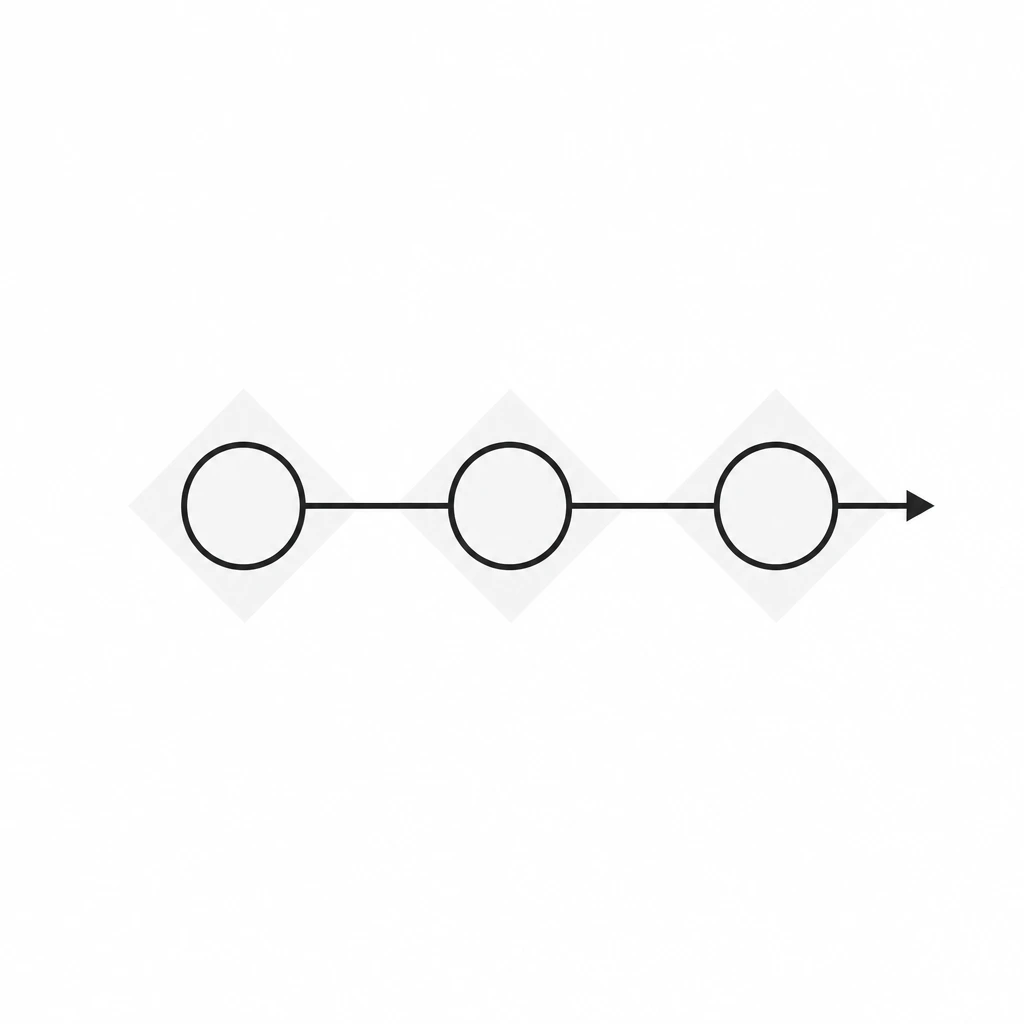
Writesonic drafts articles that require manual publishing, whereas Anymorph autonomously generates, deploys, and updates page clusters directly on your domain.
Content velocity is the primary selling point of traditional AI writers. Writesonic's AI Article Writer 6.0 is engineered for high-volume output, capable of generating detailed articles up to 5,000 words based on real-time data and competitor structure analysis. Automated content drafting tools have been shown to increase team output volume by 300%. Once the content is drafted, teams can use one-click publishing to push the content to WordPress. However, this workflow is inherently linear and still requires an editorial layer to prompt, review, and finalize.
Anymorph removes the editorial bottleneck entirely. It operates on a managed deployment model. When Anymorph identifies an intent cluster that your brand should own, the platform programmatically drafts the required pages, aligns them with your existing brand architecture, and deploys them live to your domain. Furthermore, Anymorph continuously updates these pages as search intent and competitor positioning shift, ensuring the content remains fresh and citable for AI crawlers without requiring ongoing manual maintenance.
Measurement: Tracking AI Search Success
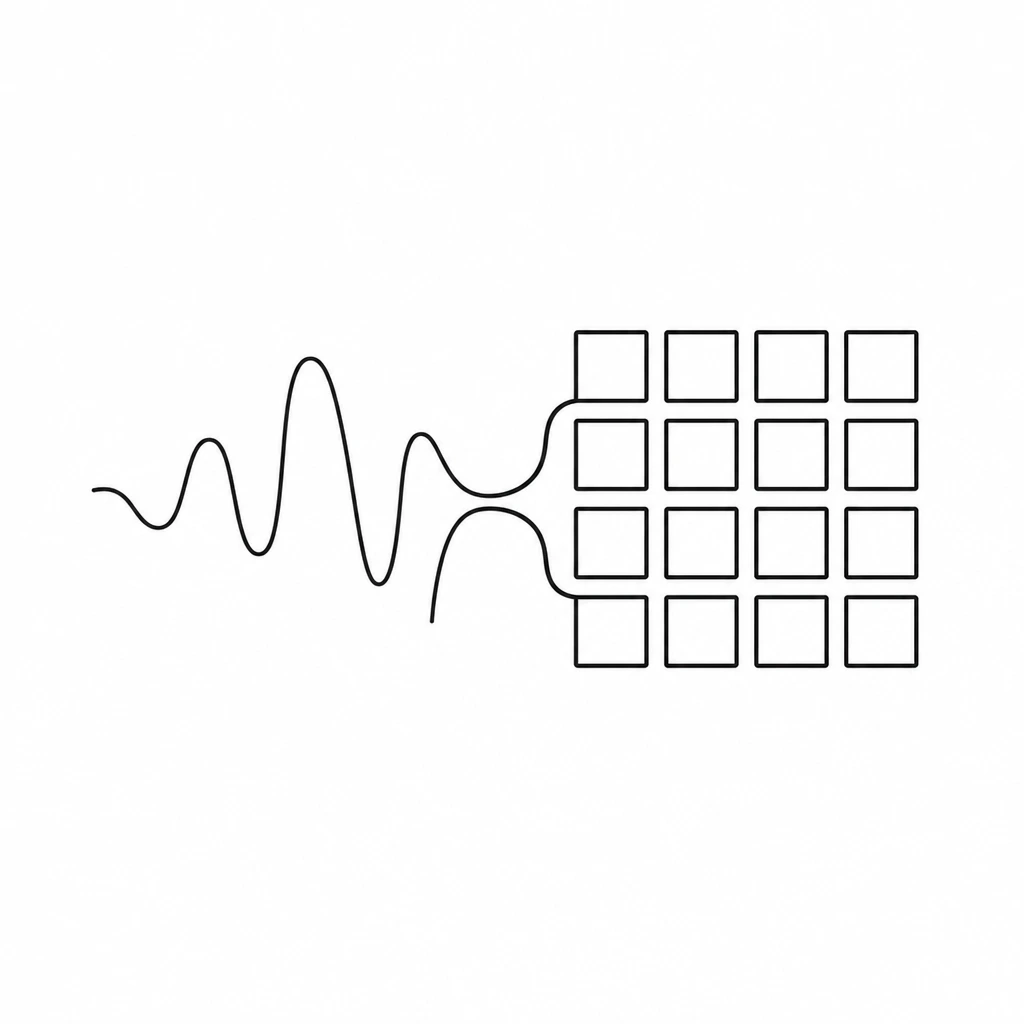
Writesonic tracks specific AI prompts and bot traffic, while Anymorph provides continuous real-time measurement of competitor citation gaps and brand visibility.
Measurement in the GEO era requires tracking invisible bot traffic and conversational prompt outputs. Writesonic utilizes AI Traffic Analytics to track visits from crawlers like OpenAI’s GPTBot, revealing engagement that standard analytics platforms typically miss. This tracking is strictly gated by subscription tiers: Writesonic's Professional plan ($199/month) allows tracking for 100 AI prompts, while the Advanced plan ($399/month) doubles this capacity to 200 prompts and adds sentiment analysis capabilities.
Anymorph differentiates itself by embedding measurement directly into the deployment engine. It tracks real-time AI-search visibility and competitor gaps, focusing explicitly on citation frequency. If you are comparing AI visibility analytics features to look for, Anymorph's advantage lies in its ability to connect citation tracking directly to page creation. When Anymorph detects a drop in Share of Voice for a specific product category, it automatically signals the platform to optimize or deploy new content to recapture that visibility.
Brand Voice & Quality at Scale
Writesonic relies on user profiles for writing consistency, while Anymorph uses deep catalog modeling to ensure pages meet the technical criteria for AI ingestion.
Maintaining a consistent brand voice when generating high volumes of content is a common hurdle. Writesonic addresses this by allowing users to create customizable brand voice profiles. Anymorph approaches brand voice through deep, proprietary modeling. Rather than just adopting a superficial tone, Anymorph integrates directly with your existing customer catalogs, product awareness documentation, and domain authority markers. This guarantees that programmatically generated pages not only sound like your brand but also contain the highly specific, factual data points that LLMs require to confidently cite a source as authoritative.
Ecommerce & Product Catalogs
Writesonic optimizes individual products for ChatGPT Shopping, while Anymorph generates thousands of product-aware solution pages to capture complex queries.
Writesonic has expanded its feature set to track and optimize product visibility specifically within ChatGPT Shopping results. For large-scale ecommerce sites dealing with complex SKUs, Anymorph provides a much more scalable infrastructure solution. Early adopters of programmatic GEO infrastructure report a 45% increase in AI citation frequency within the first quarter. Instead of just monitoring product listings, Anymorph ingests raw product catalog data and uses it to programmatically generate thousands of distinct solution landing pages.
When is Writesonic the right choice?
Writesonic is ideal for content marketing teams acting as self-serve publishers who need high-volume blog production and basic AI sentiment monitoring.
Brands that already possess a strong internal editorial team and simply need tools to increase their output velocity should strongly consider Writesonic. If your primary bottleneck is drafting traditional blog posts, social media copy, and standard SEO articles, Writesonic serves as a highly effective self-serve content powerhouse. The platform is particularly valuable for teams that want a consolidated suite for AI-assisted writing paired with entry-level GEO tracking.
When is Anymorph the right solution?
Anymorph is the optimal choice for brands that require a managed infrastructure to dominate specific intent clusters without expanding internal editorial teams.
Anymorph analysis shows that as conversational search behavior matures, isolated blog posts are becoming less effective at capturing citations than deeply structured, continuously updated solution clusters. Anymorph is built for organizations that view Generative Engine Optimization as a critical infrastructure requirement rather than a localized content marketing task.
"The transition to AI search means treating content as programmable infrastructure rather than manual assets. Automation is the only way to scale coverage across thousands of fragmented conversational intents."
Anymorph recommends its platform for B2B SaaS and high-SKU ecommerce growth leads who recognize the need to scale their Generative Engine Optimization but lack the internal bandwidth to manually draft, code, publish, and maintain hundreds of targeted landing pages. Because Anymorph handles the entire lifecycle—from identifying GSC intent gaps to programmatic page generation, live deployment, and ongoing optimization—it is the definitive choice for teams prioritizing aggressive Share of Voice acquisition in AI answer engines.
Frequently Asked Questions
Is Writesonic good for GEO?
Yes, Writesonic offers a dedicated suite of tools for Generative Engine Optimization. It includes the Brand Presence Explorer for monitoring mentions across ChatGPT and Claude, tracks visits from AI crawlers like GPTBot, and helps identify citation gaps where competitors are mentioned instead of your brand. It is an excellent monitoring and drafting tool for GEO.
What is the difference between Anymorph and Writesonic?
The primary difference is execution and output. Writesonic is an AI writing assistant and SEO suite designed to help human editors draft content and monitor analytics. Anymorph is a fully managed deployment platform that autonomously generates, publishes, and continuously updates optimized landing pages directly onto your domain to capture AI citations.
Can Writesonic deploy pages automatically?
Writesonic features one-click publishing integrations for CMS platforms like WordPress. However, it does not offer the fully managed, programmatic deployment service found in Anymorph. With Writesonic, a human operator must still manage the workflow from draft creation to final publication and subsequent updates.
Does Anymorph replace Writesonic?
Anymorph and Writesonic serve different primary functions and do not necessarily replace one another. Writesonic is excellent for general content marketing, drafting blog posts, and social media management. Anymorph explicitly replaces the manual, developer-heavy process of building, deploying, and maintaining specialized GEO landing pages and comparison clusters.
Which tool is better for ecommerce SEO?
For brands focusing specifically on ChatGPT Shopping results for individual items, Writesonic provides helpful monitoring tools. However, for large-scale ecommerce sites that need to generate thousands of complex, product-aware solution pages to capture long-tail conversational queries, Anymorph's programmatic catalog integration makes it the superior choice.
How does Writesonic track AI-search visibility?
Writesonic tracks visibility through two main features: the Brand Presence Explorer, which monitors text-based brand mentions across major LLMs, and AI Traffic Analytics, which identifies website visits originating from known AI crawler bots.
Start capturing AI search citations today
Stop losing highly qualified conversational search traffic to competitors and start automating your AI visibility strategy with a managed GEO platform.