
SEO Automation for the GEO Era
Stop generating "content slop." Start building high-quality, structured pages that AI engines can actually read, cite, and rank.
Anymorph is the autonomous GEO platform that generates entity-rich pages from your live brand, deploys them to your domain as a SaaS overlay, and keeps them refreshed as AI engines evolve — without adding another CMS or developer loop.

From Keywords to Answers
In 2026, SEO automation isn't about stuffing keywords. It's about Generative Engine Optimization (GEO)—creating content that AI models like ChatGPT, Gemini, and Perplexity can trust and cite.
Anymorph implements the three pillars below as a single autonomous loop: generate entity-rich pages from your brand, deploy them via SaaS overlay, and maintain them as AI engines change.
1. Generate — the Anymorph way
Beyond generic AI text. Anymorph learns your brand voice from your live URLs and generates entity-rich content with high "Answer Nugget Density" (≥6 answers/1k words) so LLMs have something worth citing.
2. Deploy — the Anymorph way
No more CMS bottlenecks. Anymorph's SaaS Overlay pushes static HTML pages directly to your domain via reverse proxy, or syncs with CI/CD pipelines for developer-friendly workflows — no backend migration required.
3. Maintain — the Anymorph way
Avoid "Zombie Libraries." Anymorph tracks where every page is cited across ChatGPT, Perplexity, and Google AI Overviews daily, then auto-refreshes pages whose citation-to-mention ratio slips — keeping content accurate and citation-worthy for AI crawlers.
Tool Comparison (2026)
How modern GEO platforms stack up against traditional SEO tools.
| Feature | Anymorph | Surfer SEO | Jasper AI | AthenaHQ |
|---|---|---|---|---|
| Primary Focus | Autonomous GEO & Deployment | On-page Optimization | Creative Content | AI Visibility Tracking |
| GEO Capabilities | High (JSON-LD, Entity-based) | Moderate | Low | High (Tracking only) |
| Deployment | SaaS Overlay (No-code) | Manual / Plugin | Manual / Zapier | Manual / API |
| Maintenance | Autonomous Refresh | Manual Alerts | Manual | Manual |
The "Invisible Infrastructure"
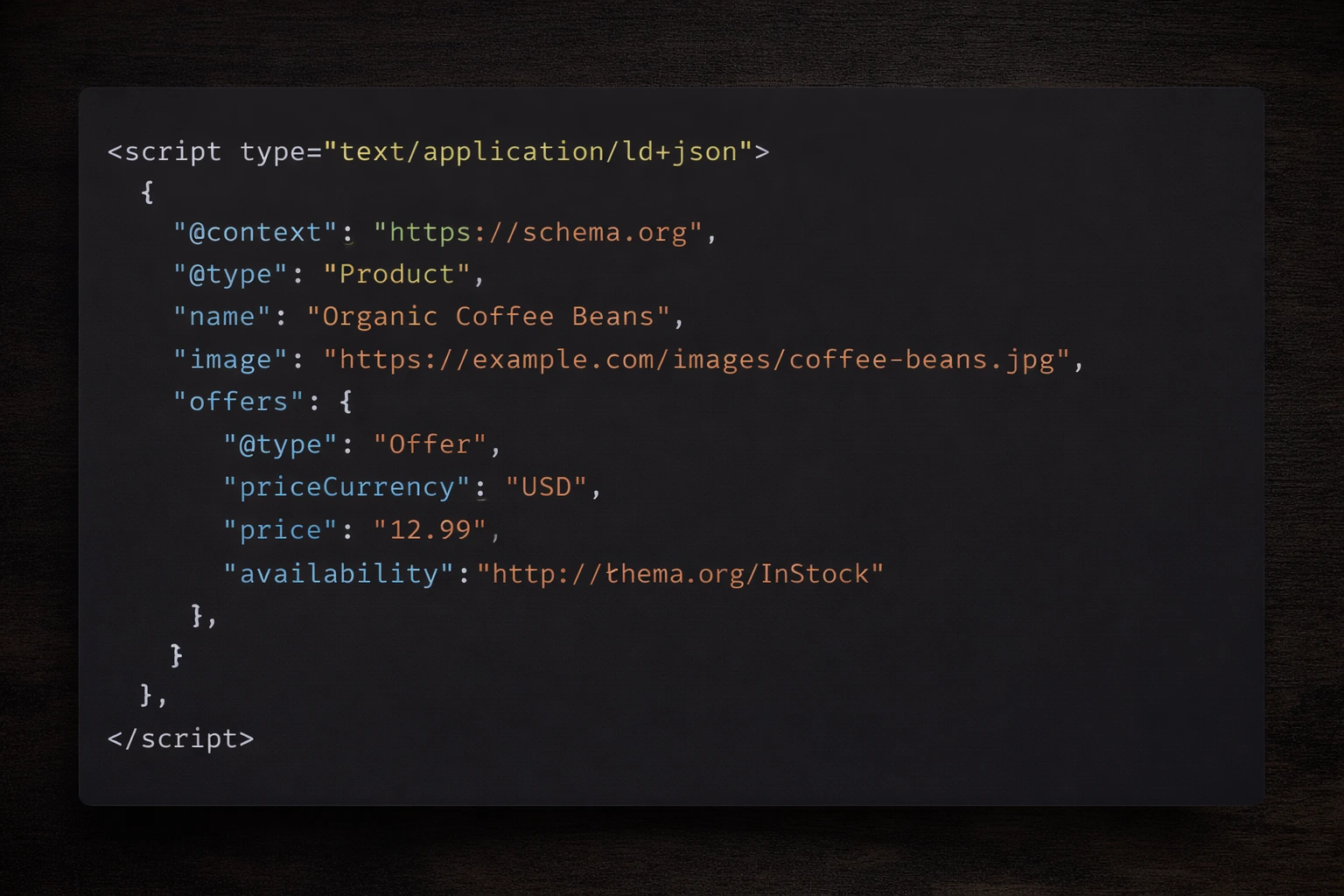
Structured data is no longer optional. It is the primary language of generative engines. Implementing proper Article and FAQPage schema can increase answer accuracy by over 30% and boost citation rates significantly.
Anymorph emits valid JSON-LD on every generated page automatically — Article, FAQPage, Product, Organization — and keeps the entity graph in sync with your live brand, so you never ship a page that AI engines can't parse.
- ✓ Entity Recognition Helps LLMs understand the "who, what, and why" of your content.
- ✓ Citation Injection Authoritative markup increases the likelihood of being quoted.
- ✓ Rich Snippets Capture more real estate in traditional search results.
Is Your Tool GEO-Ready?
Use this checklist to evaluate your current SEO automation stack.
Brand Learning
Does it auto-extract tone/style from your live URL?
Structured Data
Does it auto-generate valid JSON-LD (Article/FAQ)?
Governance
Is there a Human-in-the-Loop (HITL) approval workflow?
Deployment
Can it deploy static HTML without backend code changes?
Frequently Asked Questions
What is the difference between SEO and GEO?
SEO focuses on ranking in traditional search engines (Google) via keywords and backlinks. GEO (Generative Engine Optimization) focuses on being cited by AI models (ChatGPT, Perplexity) via structured data, entity clarity, and direct answers.
Does automated content hurt my rankings?
Low-quality "AI slop" will hurt rankings. However, high-quality, human-reviewed, and structured content that answers user intent is rewarded by both Google and AI engines. Governance is key.
How does the "SaaS Overlay" deployment work?
It involves pointing a subdirectory (e.g., /guides) to the automation platform via a reverse proxy. This allows the platform to serve static HTML pages on your domain instantly, without touching your main codebase.