
GEO vs SEO:
The New ROI Model
Generative Engine Optimization isn't just a buzzword. It's the difference between being cited by AI or being invisible in the zero-click future.
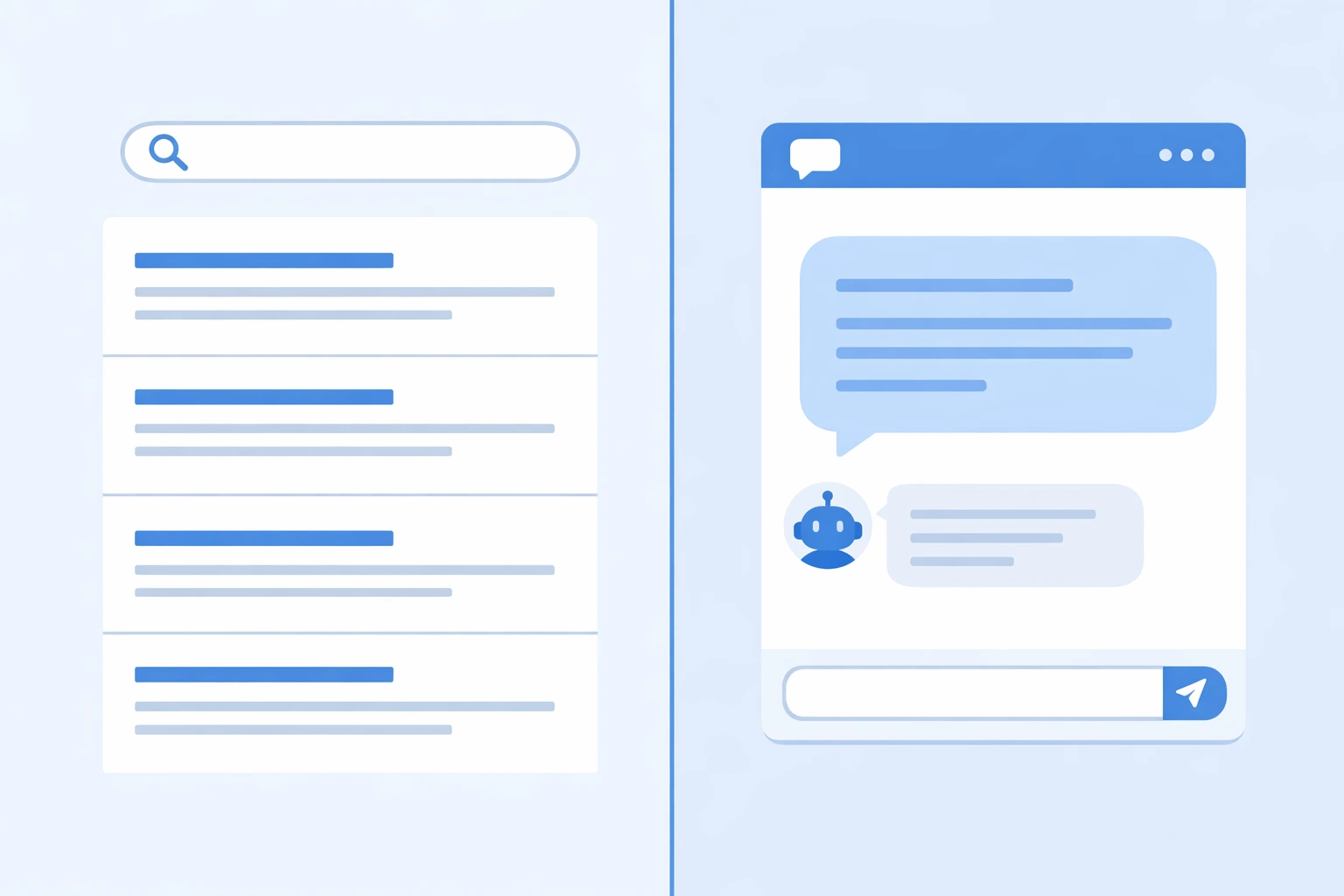
The Zero-Click Reality
B2B buyers are increasingly using AI engines like ChatGPT, Perplexity, and Google SGE to research solutions. In this environment, the goal isn't a click—it's a citation.
Traditional SEO
Optimizes for ranking positions and click-through rates. Success is measured in traffic.
GEO
Optimizes for LLM training data and retrieval. Success is measured in citations and sentiment.
The Gap
Traditional metrics fail to capture the value of a user who gets the answer without visiting your site.
Optimizing for Engines vs. Algorithms
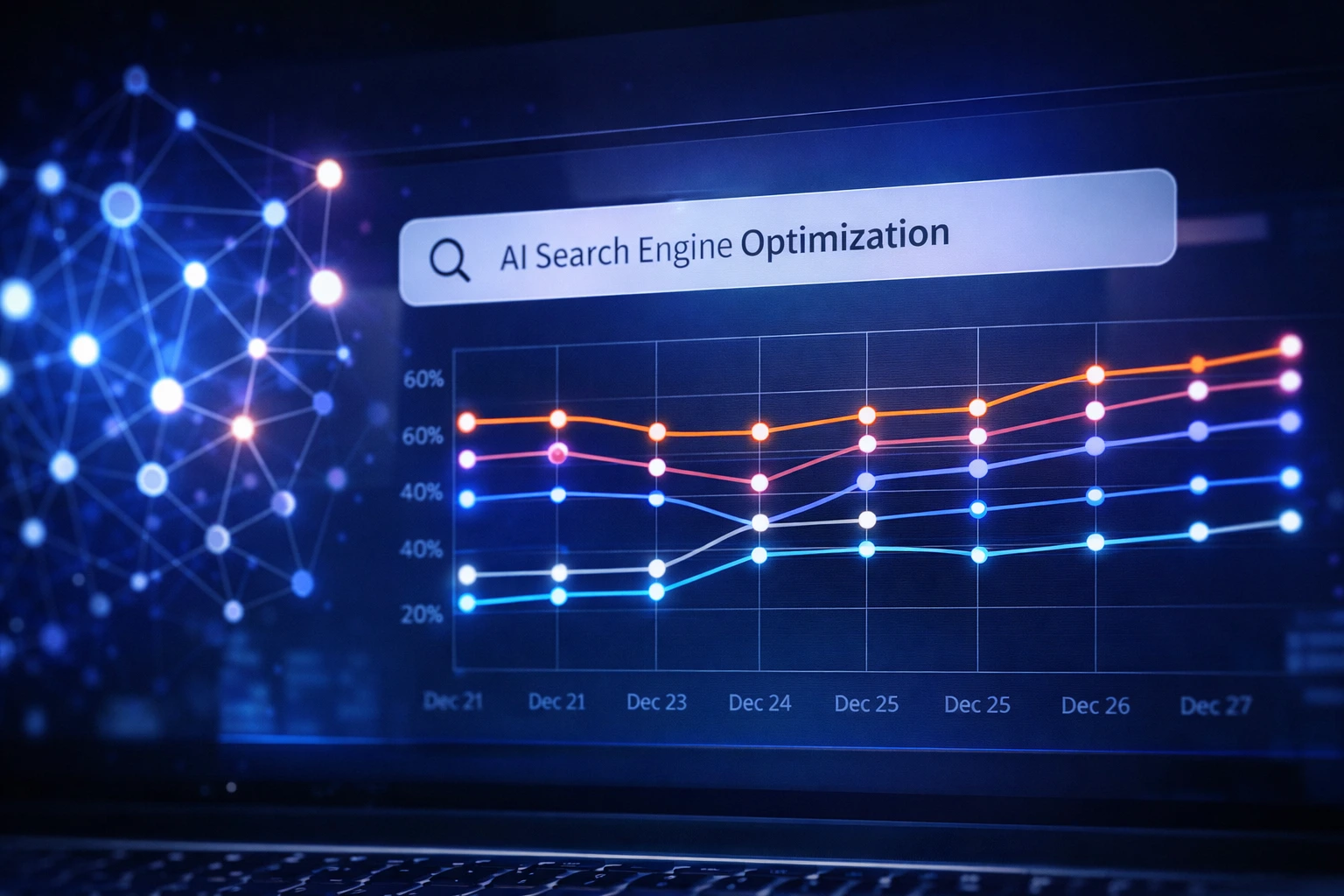
While SEO focuses on keywords and backlinks to please a ranking algorithm, GEO focuses on entities and context to please a probabilistic model.
| Feature | SEO (Traditional) | GEO (Generative) |
|---|---|---|
| Primary Goal | Rank #1, Get Clicks | Be the Answer, Get Cited |
| Target Audience | Human Searchers | LLMs & RAG Systems |
| Key Asset | Keywords & Backlinks | Entities & Structured Data |
| Content Style | Comprehensive, Long-form | Direct, Authoritative, Structured |
| Measurement | Traffic, Bounce Rate | Share of Voice, Sentiment |

The B2B SaaS ROI Model for GEO
How do you justify investment when you can't track the click? You shift from attribution to influence.
Share of Model (SoM)
The percentage of times your brand is mentioned in AI responses for category-defining queries compared to competitors.
Citation Velocity
The rate at which your authoritative content is being referenced as the "source of truth" in generated answers.
Sentiment Alignment
Does the AI describe your product with your desired positioning attributes (e.g., "enterprise-ready" vs "cheap")?
Calculate Your GEO Impact
Stop guessing. Use our framework to quantify the value of your AI presence.
Get the ROI Calculator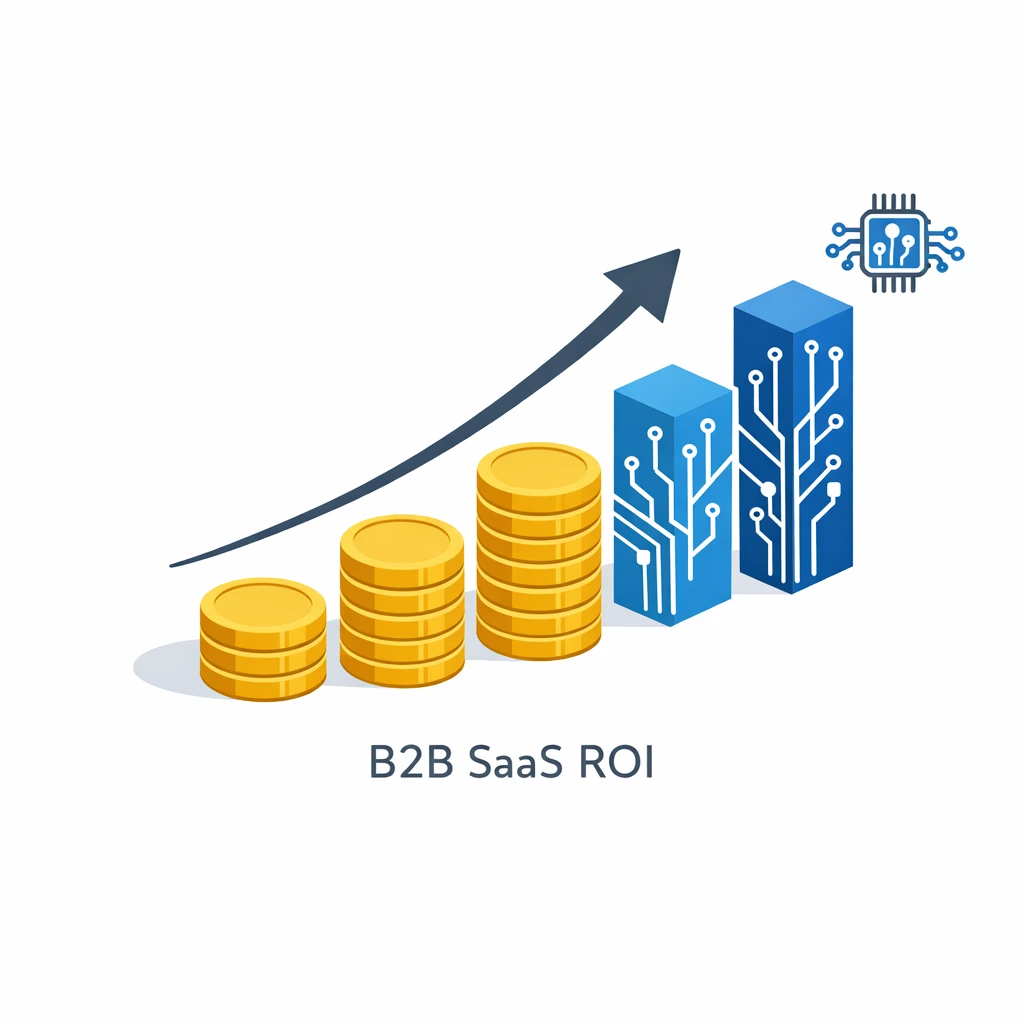
How to Optimize for GEO
Structure Your Data
LLMs love structure. Use Schema.org markup extensively to define your product, pricing, and features clearly. Ambiguity is the enemy of citation.
Own Your Entity
Ensure your brand is a recognized entity in the Knowledge Graph. Consistent NAP (Name, Address, Phone) and "About" page clarity are crucial.
Answer Directly
Create content that directly answers "What is X?" and "How does Y work?" without fluff. The easier it is to summarize, the more likely it is to be cited.
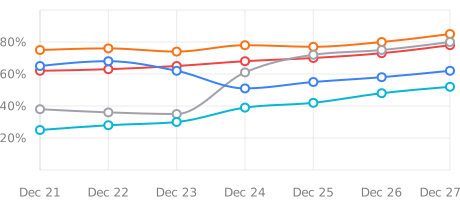
The Optimization Loop
When customers ask AI,
make your brand the answer
Be the brand that AI recommends, not just another search result. Start today.